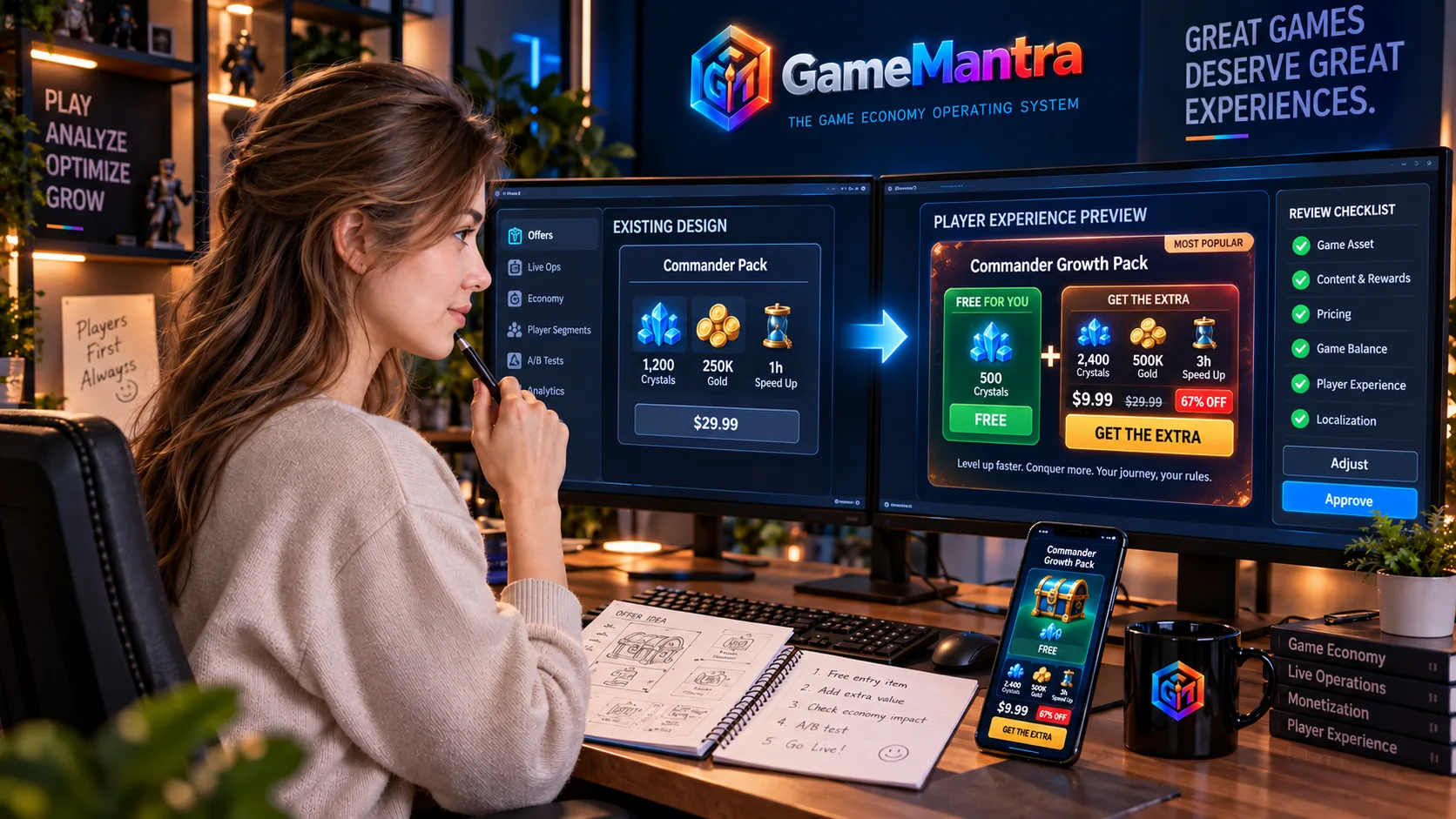
Contextual Trigger
Read the relevant player state first, so the reason to return comes from where the player actually left the game.


PUSH UI
Connect player context with timely mobile re-entry experiences.
Use relevant player context, eligibility, timing, and experience signals to create a more contextual path from notification to game re-entry.
01
Identify the relevant player state and the reason a player may return.
02
Apply eligibility and timing rules before sending the contextual push.
03
Connect the re-entry experience with what happens after the player returns.
The value comes from connecting the notification to the player's context and the experience waiting when they return.
Read the relevant player state first, so the reason to return comes from where the player actually left the game.
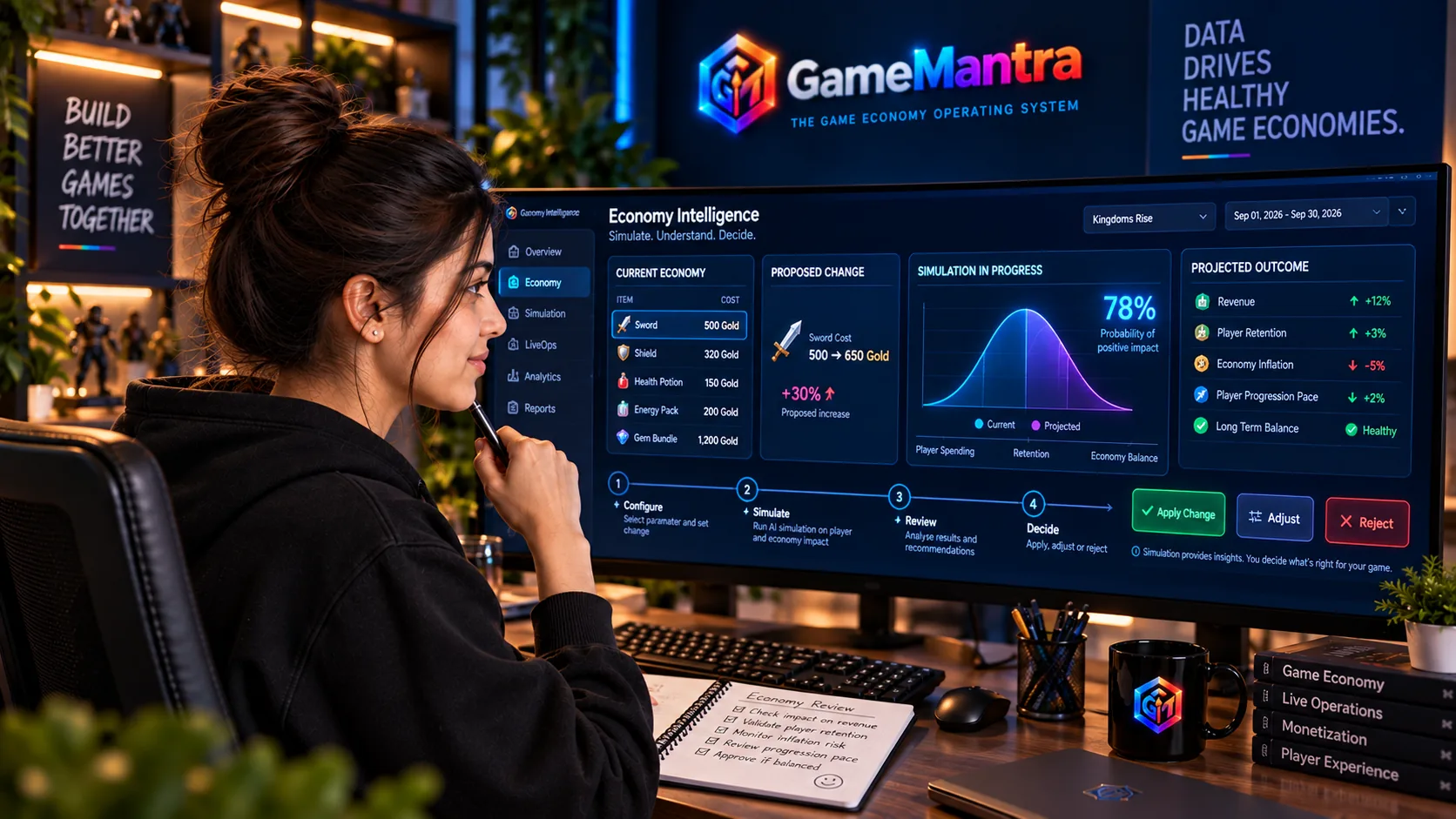
Apply eligibility and timing rules before anything is sent, so a contextual message reaches a player it is still relevant to.
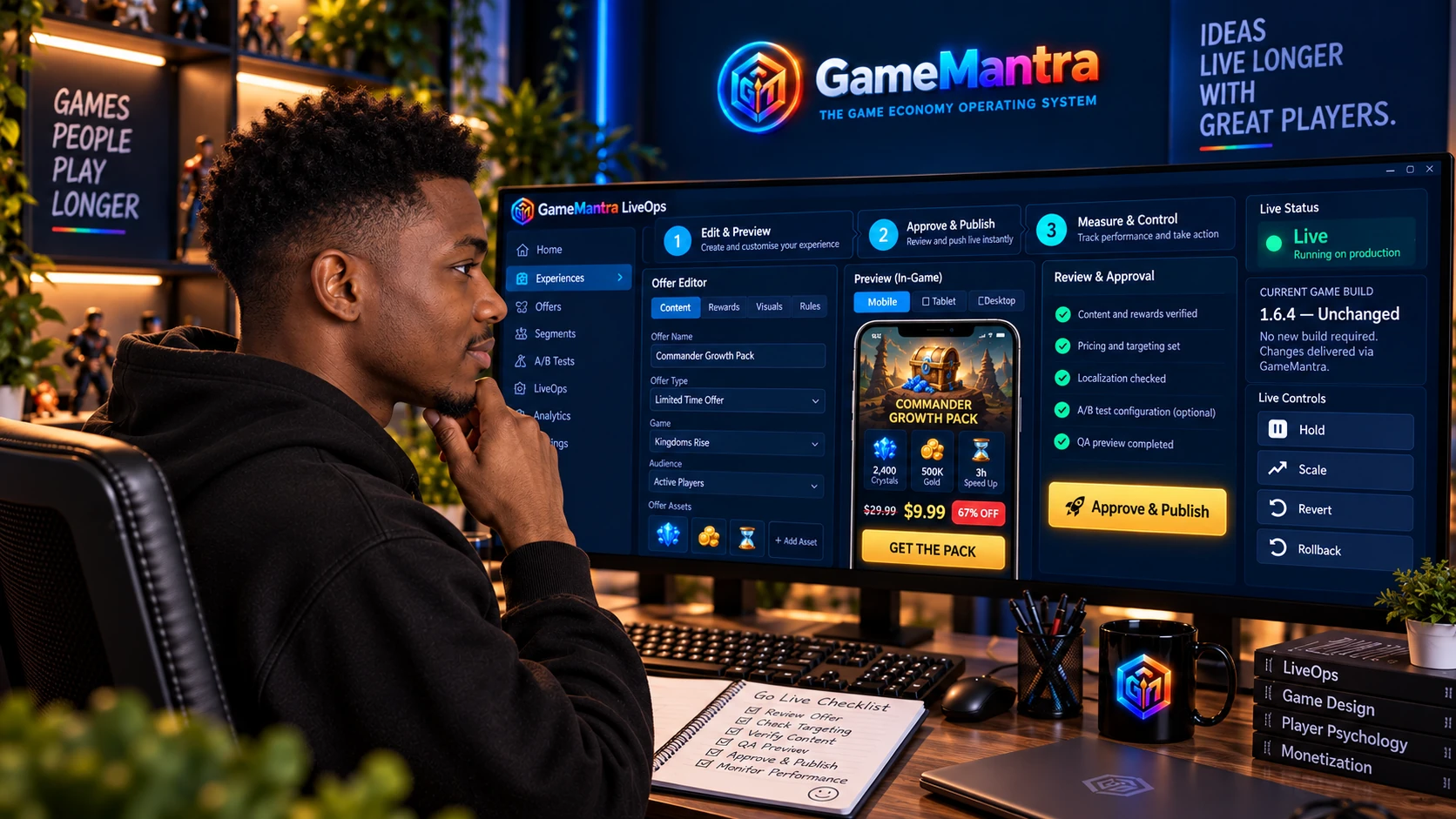
Treat the return as part of the same journey and connect it to the experience waiting inside the game.
Move from the player’s relevant state through eligibility, timing, and the push itself to the return and what follows it.
Keep the notification, the return, and the experience that follows it connected to the same player context.
Bring a player state you already care about. We’ll walk through how it becomes a contextual re-entry path and what you can measure once the player returns.

Start from the relevant player state and the reason that player may come back.

Apply eligibility and timing rules before a contextual message is sent to a player.

Connect the re-entry experience to the context that triggered it, then measure what follows.
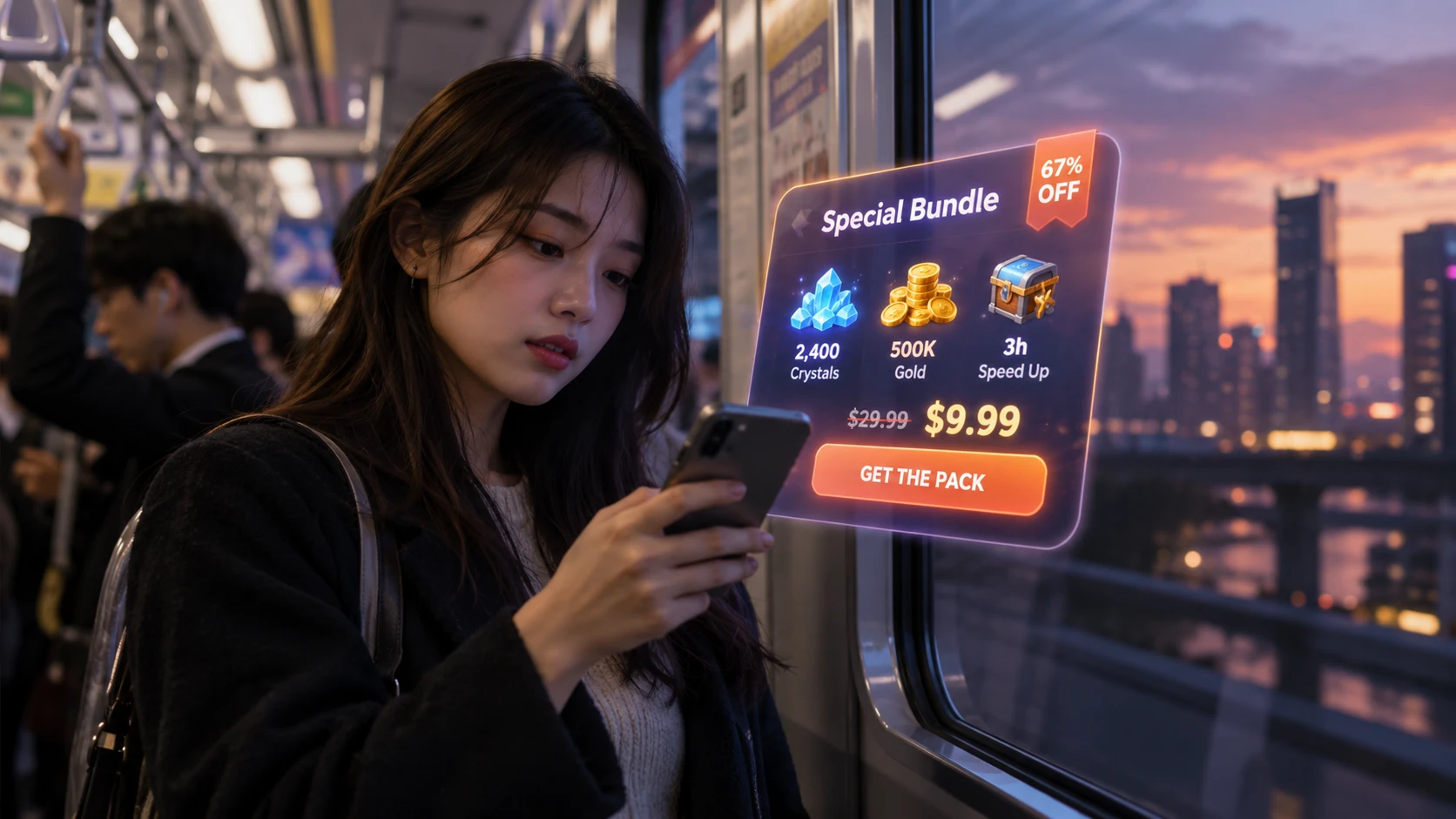
Bring a player state you already care about. We’ll walk through the contextual re-engagement path from player context and eligibility through timing, the push, the return, and measurement.